
Physician-guided weight management
with GLP-1 medications
Work with a physician licensed in your state to determine whether GLP-1 therapy is right for you. We offer compounded semaglutide and tirzepatide prepared by licensed US pharmacies — with all treatment decisions made by your physician following a clinical evaluation.
- ✓ Licensed physicians
- ✓ Compounded by licensed pharmacies
- ✓ Physician evaluation required
- ✓ Ships nationwide
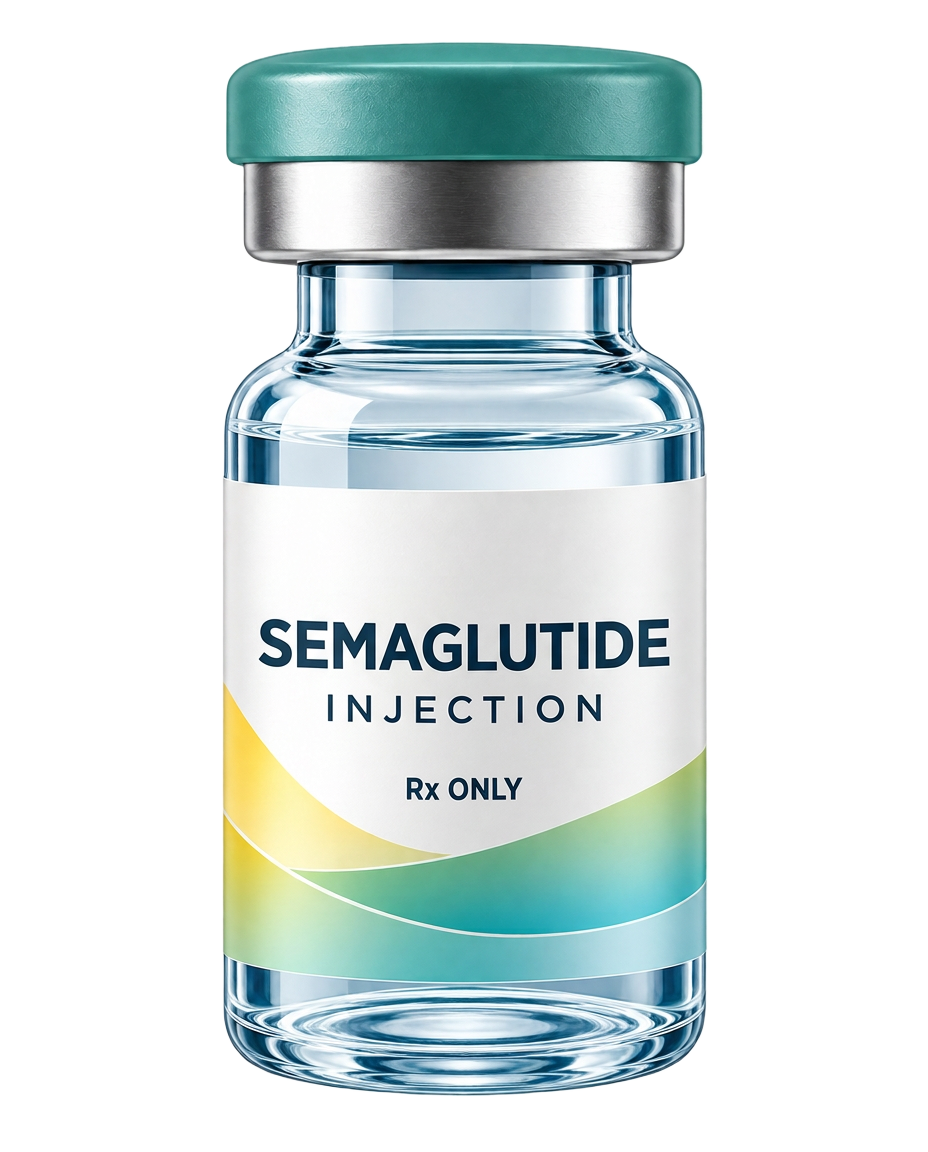
Compounded GLP-1 / Advanced GLP-1 + GIP
At Solara Health, we offer advanced medical weight loss treatments using GLP-1 (Semaglutide) and GLP-1 + GIP (Tirzepatide)—two clinically studied medications that help support healthy, sustainable weight management.
Semaglutide
Compounded Semaglutide (GLP-1), prescribed by a licensed clinician.
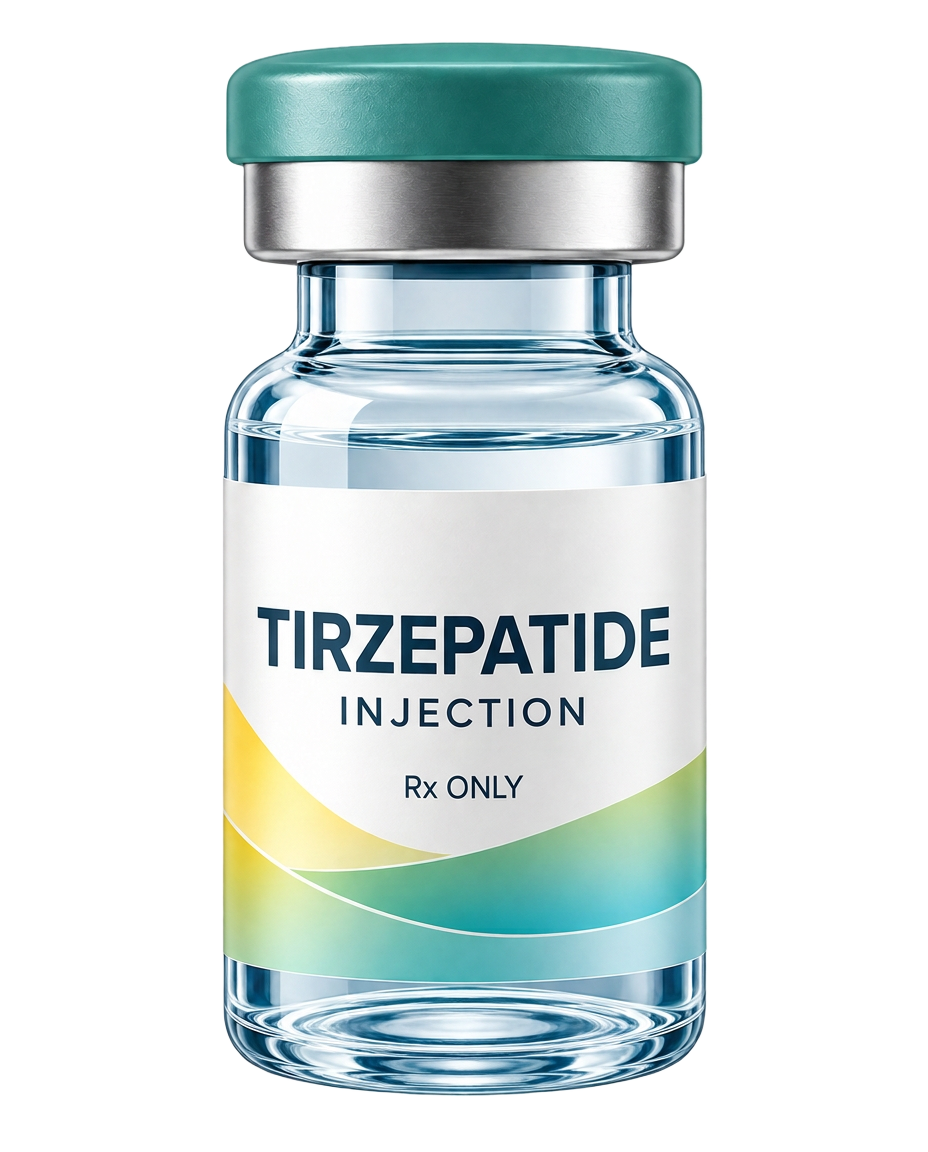
Tirzepatide
Compounded Tirzepatide (GLP-1 + GIP), prescribed by a licensed clinician.
GLP-1 Microdose
Low-dose compounded Semaglutide or Tirzepatide, one flat monthly price.
Semaglutide Microdose
Low-dose compounded Semaglutide, one flat monthly price.
Tirzepatide Microdose
Low-dose compounded Tirzepatide, one flat monthly price.
Explore more ways we can help
Start your evaluation in 3 steps
From evaluation to prescription — the entire process is handled online by a licensed physician.
Complete your evaluation
Answer a detailed health questionnaire online. Your physician will review your full medical history before making any prescribing decisions.
Physician review & prescription
A licensed physician in your state reviews your evaluation. If clinically appropriate, they will prescribe and explain your treatment plan.
Medication shipped to you
Your prescription is filled at a licensed US pharmacy and shipped discreetly to your door, typically within 5–7 business days.
Comprehensive care, not just a prescription
Every Solara Health weight management patient gets a full support system — not just a pill.
Unlimited messaging
Direct access to your care team any time.
Progress tracking
Visual weight and measurement tracking in your personal dashboard.
Discreet delivery
Medication shipped to your door in plain, unmarked packaging.
HIPAA-secure platform
Your health data is fully encrypted and protected end-to-end.
It's not willpower.
It's metabolic science.
Research shows that body weight is significantly influenced by genetics and hormonal factors — not effort alone. Traditional diets often fail because they work against your biology rather than with it.
GLP-1 medications work by mimicking a hormone your body naturally produces after eating. They signal your brain to reduce hunger, slow gastric emptying, and help regulate blood sugar — making it easier to reduce caloric intake. Your physician will determine whether this approach is appropriate for your situation.
- Reduces appetite signals at the brain level
- Slows digestion so you stay full longer
- Helps regulate blood sugar and reduce cravings
- Studied in large, peer-reviewed clinical trials

What the clinical trials show
 2021
Once-Weekly Semaglutide in Adults with Overweight or Obesity
Participants receiving semaglutide 2.4mg lost a mean of 14.9% of body weight over 68 weeks, compared with 2.4% in the placebo group — a landmark finding for pharmacological weight management.
Read study →2022Tirzepatide Once Weekly for the Treatment of Obesity
Tirzepatide 15mg produced mean body weight reductions of up to 20.9% over 72 weeks in adults with obesity — the largest weight loss observed in a Phase 3 obesity drug trial at that time.
Read study →Leading publications on the GLP-1 revolution




What a typical patient journey looks like
The following is an illustrative overview of a typical program experience. Individual results, timelines, and treatment plans vary based on each patient's clinical profile and physician recommendations.
- Week 1
Evaluation & prescription
Complete your intake. A physician reviews your health history and, if appropriate, prescribes and explains your treatment plan.
- Weeks 2–4
Starting dose
Begin at the lowest therapeutic dose. Your care team checks in to review tolerance and answer any questions.
- Month 2–3
Dose adjustment
Physician adjusts dosing based on your response and tolerability.
- Month 4+
Ongoing monitoring
Quarterly protocol reviews. Labs ordered when appropriate. Continued access to your care team for support.
Frequently asked questions
What Are GLP-1 medications?
GLP-1 medications are a class of prescription drugs that not only improves blood sugar control but may also lead to weight loss. This class of drugs is commonly called glucagon-like peptide 1 (GLP-1) agonists. Weight loss can vary, depending on which GLP-1 drug you use and the dosage.
Some of the more common side effects include:
Nausea, Vomiting, Diarrhea.
Side effects can often be mitigated by correctly titrating your dosage upward, so you’ll want to ensure that you are taking the medication exactly as prescribed by your provider to minimize risk and/or severity of side effects. Anti-nausea medications such as ondansetron (generic Zofran) are also helpful to assist in mitigating nausea.
Low blood sugar levels (hypoglycemia) are a more serious risk linked to the GLP-1 class of drugs. But the risk of low blood sugar levels often only goes up if you’re also taking another drug known to lower blood sugar at the same time, such as sulfonylureas or insulin. The GLP-1 class of drugs isn’t recommended if you have a personal or family history of medullary thyroid cancer or multiple endocrine neoplasia. Lab studies have linked these drugs with thyroid tumors in rats. But until more long-term studies are done, the risk to humans isn’t known. The GLP-1 class of drugs is also not recommended if you’ve had pancreatitis.
How to take GLP-1 medication?
It is important to follow the prescribed doses and directions from your provider accurately in order to minimize risk and/or severity of potential side effects. If you have any questions regarding how to properly take your medication once you receive it, please reach out to us before taking for proper guidance from a licensed medication professional. Taking doses other than what is prescribed by your provider may have unintended and potentially dangerous side effects.
What should I do if I miss a dosage?
If you miss a dosage on your day of the week, please reach out to us before continuing your dosage. You may need to lessen your dosage for your next dose in order to minimize risk and/or severity of potential side effects.
How should I store GLP-1 medications?
These medications should be stored in the refrigerator between doses. GLP-1 medications are sensitive to temperature and could degrade if not stored properly.
When should I take my dose of GLP-1 medication?
You can take GLP-1 medications at any time during the day, without regard to meals. If your dosage is prescribed to take weekly, you should take your dose on the same day each week.
Can I take a dosage that I've already been on if I'm switching to you from another doctor?
Please discuss your previous prescription and dosage with your provider during your medical intake process when enrolling and if medically appropriate, your provider will coordinate your dosage accordingly.